


It's obvious to most people that we live in a world where money is required to be exchanged for goods and services.
We also live in a world of that nature, which is unlikely to change dramatically in that regard in the near future.
With that in mind, we can explore the principle of ‘do what you love’, ‘love what you do’, and ‘mastery of craft does not guarantee commercial success’.
There is a meme, a thought or a belief that if you get very good at something, you will be paid for it.
More and more people adopt this story or this narrative and then become concerned or upset or disenfranchised when they do not make what they thought they should make for how good they think they are.
This is classic throughout my profession and particularly around people who speak in my profession and lecture and present.
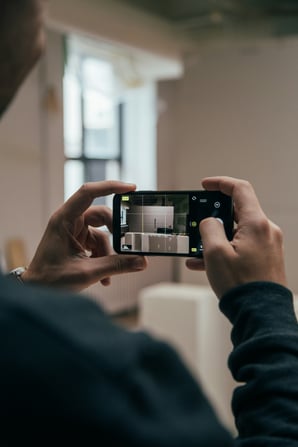
There's a whole generation of young dentists now who are extraordinary at taking photographs.
There is a whole generation of young dentists who are extraordinary at collecting media, whether that is iPhone videos or procedures that they're undertaking or podcasts or interviews or generally just thoughts or discussions around what they're doing.
The misconception here is that if you do that and if you do it well, then you're likely to become an ‘influencer’, and therefore earn money beyond that which you do in dentistry.
The first step to making money in dentistry, it would seem, would be to be a good and proficient dentist. The second step, though, the one which is missed out by so many people, is the ability to understand the business side of dentistry and the commercial aspect of dentistry and how you ‘make money’.
The next aspect of this, which is perhaps the most important, is the inability to set a realistic ‘enough’.
If you don't have a ceiling, you will never ever reach a ceiling.
If you don't have a bar, you will always be stretching for a bar that is not there.
A much better attitude is to set yourself a realistic level of income (which for dentists is almost always way beyond that which normal and ordinary people earn) and then become as good as you can.
What you tend to find for these individuals (and I have met many who have achieved it), is that they earn far more than they ever thought was reasonable or required (they’ve set there enough at a level, at a realistic level), and they have the space and the opportunity to move with their job into the feeling that it's a hobby more than a career.
The light shines out of those people.
They inspire, and people rally round them.
They become more and more valuable.
They earn more and more money (that they really don't need to spend).
That is where the virtuous cycle sits: simply mastering your craft and being good at taking photographs of the thing that you do is no surefire way to ever obtain commercial success.
Blog Post Number - 4589

Leave a comment