A practical two-day programme focused on planning, guide design and fully guided implant placement using contemporary digital workflows.
Learn how to move confidently from scan acquisition and coDiagnostics planning through to guide fabrication, guided surgery and verification.
This practical two-day programme is designed to help clinicians understand how guided surgery works from start to finish — from scan acquisition and treatment planning through to guide fabrication and surgical placement.
The emphasis throughout is on practical implementation, clearer workflows and helping delegates confidently integrate digital planning into everyday implant practice.
Understand coDiagnostics workflows and implant positioning principles.
Learn how guides are planned, fabricated and verified before surgery.
Place implants using guides designed during the course itself.
Explore complications, inaccuracies and freehand conversion principles.
Focused on practical implementation — from planning and guide design through to guided surgical execution.
Looking to integrate guided workflows more confidently.
Including scanning, planning and surgical workflows.
Focused on real clinical workflows rather than theory alone.
The course follows the natural progression of guided surgery, allowing delegates to understand how planning decisions translate clinically and surgically.
Understanding STL files, CBCT data, wax-ups and digital workflow organisation.
Implant positioning, restorative planning, AI alignment and guide development.
Delegates design guides which are fabricated overnight for day two surgery.
Including drills, irrigation, verification principles and Straumann guided workflows.
Place implants using the guides designed during the first day of the course.
Reviewing accuracy, complications and when to transition away from the guide.
Delegates will work through the practical principles behind guided implant planning, guide fabrication and restorative-driven positioning.
Understanding implant placement in relation to prosthetic outcomes and restorative planning.
Exploring digital alignment principles, verification workflows and planning accuracy.
Including guided sleeve systems, tolerances and practical surgical considerations.
Planning approaches for single units, bridge cases and immediate implant placement.
Delegates then return on day two to place implants using the guides they have personally planned and created.
Alongside guided placement workflows, the course openly explores complications, inaccuracies and the practical realities of guided surgery in clinical practice.
Including guided drills, irrigation, verification workflows and Straumann surgical systems.
Place implants using the guides designed during the first day of the course.
Review planned versus actual implant positioning following placement.
Understand guide instability, tolerance issues and when abandoning the guide is clinically appropriate.
The course focuses on helping delegates critically assess workflows, verify accuracy and remain adaptable surgically.

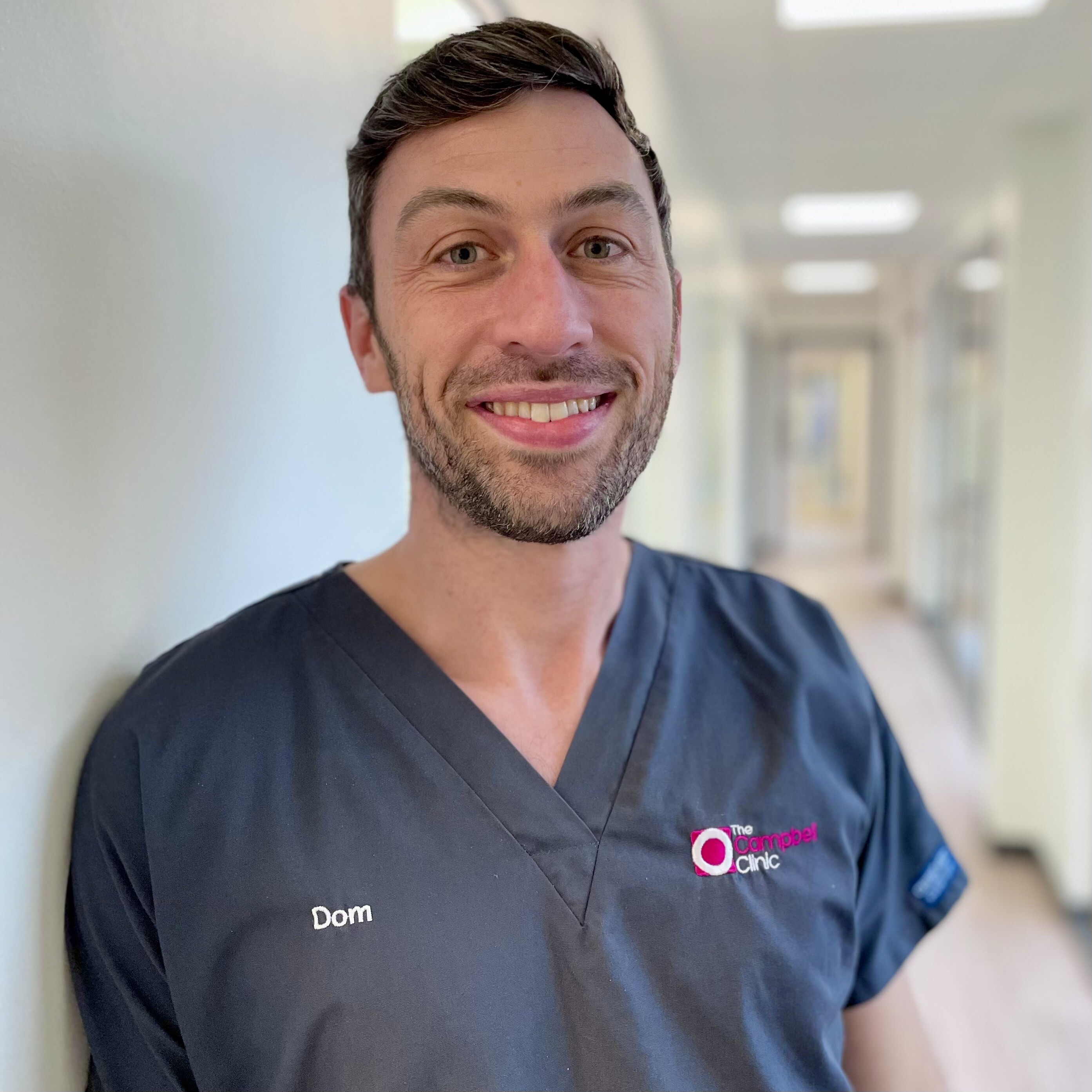
Dominic is an implant clinician with a strong focus on digital workflows, guided surgery and restorative implant dentistry.
Initially qualifying as a Dental Hygienist and Therapist before graduating with honours in Dentistry from the University of Sheffield, Dominic has undertaken extensive postgraduate training in implant dentistry, CBCT interpretation and sedation.
Short videos from Dominic, the digital lab and The Campbell Academy.
The aims of the masterclass and what delegates can expect.
The onsite lab, guide production and MIDAS printing workflow.
A look at the facilities, philosophy and educational approach behind The Campbell Academy.
If you would like to discuss the programme in more detail before booking, please contact the team below.
The course will take place on the 8th and 9th October at The Campbell Academy.
The course fee is £1,995 including VAT.
Delegates will receive 12 hours of verifiable CPD.
Yes. The programme is designed for clinicians already placing implants who want to integrate guided surgery and digital planning workflows into practice.
Delegates are encouraged to submit suitable STL files and cases before the course. Contingency cases will also be provided where required.
The course includes single unit and bridge cases, alongside delegate or provided planning cases. Full arch guided surgery will not be covered during this programme.
Yes. Guides designed during day one are fabricated overnight and then used during the practical surgical sessions on day two.
No. The course also discusses workflows for clinicians who may not yet have intraoral scanning integrated within practice.
Yes. Delegates will receive guidance regarding guided surgery kits and related materials in liaison with Straumann before the course.
A focused two-day programme covering digital planning, guide design, surgical execution and troubleshooting within contemporary implant practice.
Learn how to confidently move from scan acquisition and treatment planning through to guided implant placement and verification.
If you would like to ask any questions about the course, discuss whether it is suitable for you, or speak to the team before booking, please complete the form below.
A member of The Campbell Academy team will be in touch to help with any queries regarding the course content, practical elements, venue or booking process.
Edwalton Business Park
Landmere Lane, Edwalton
Nottingham
NG12 4JL